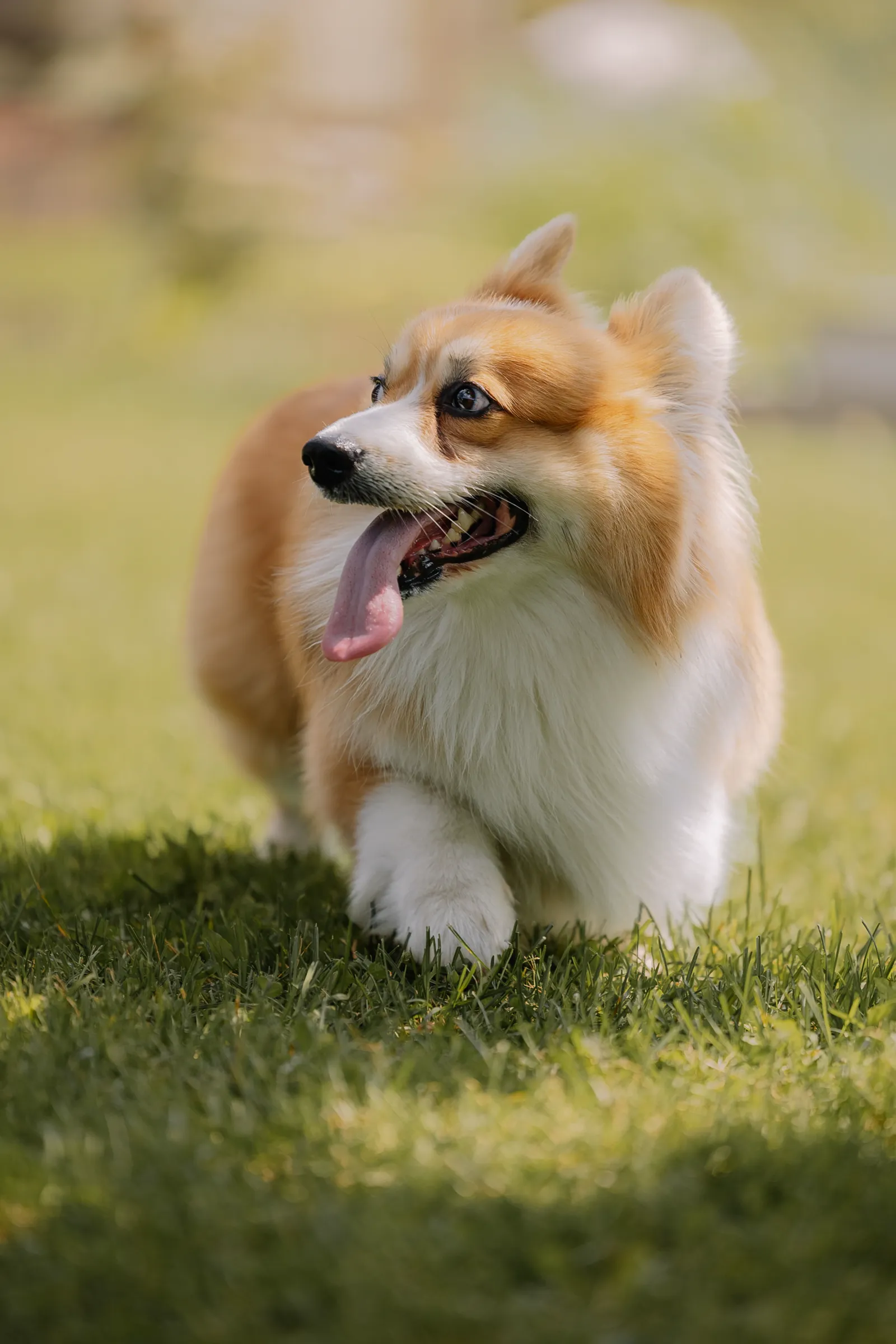
Breed overview
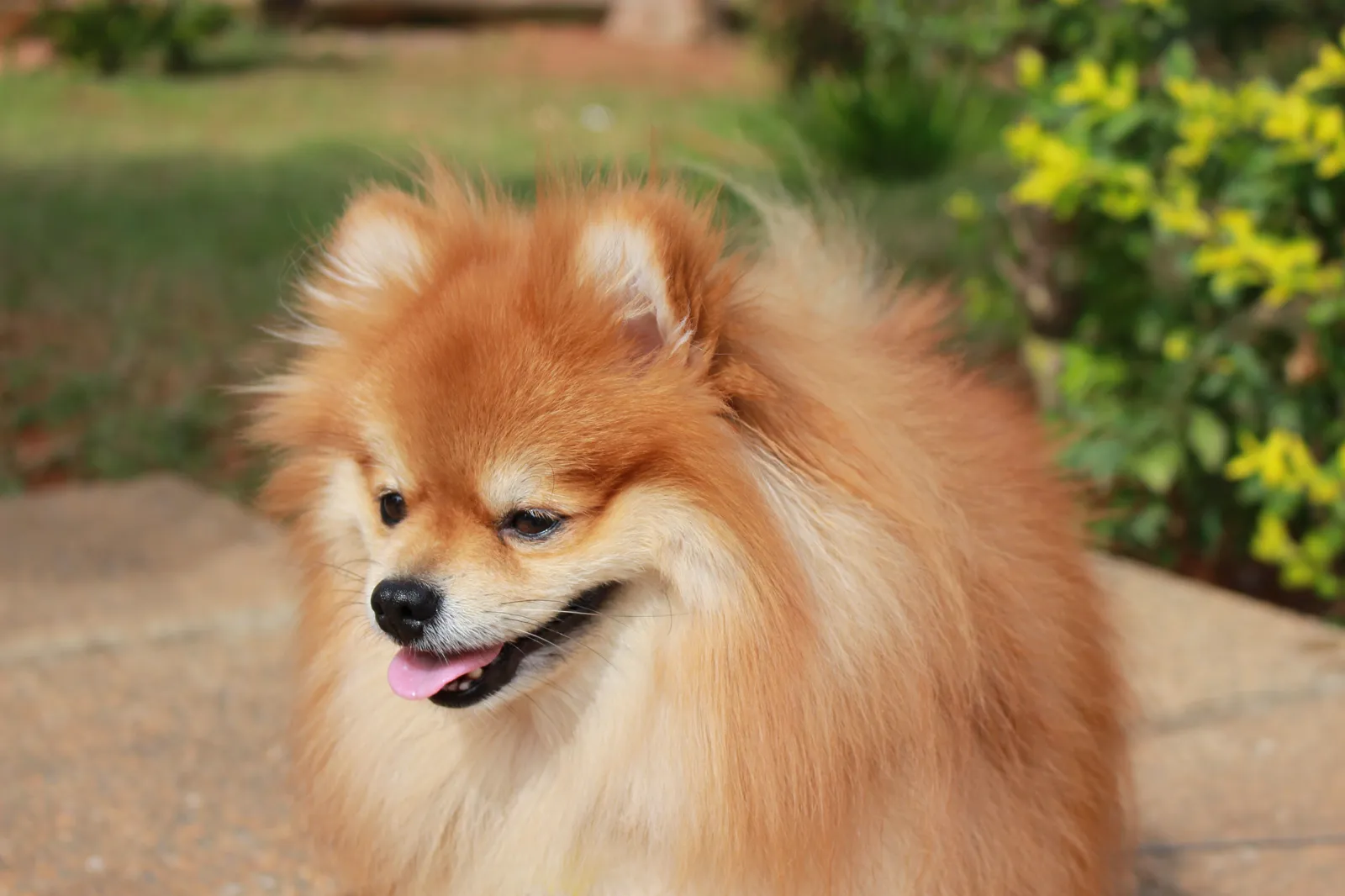
The Pomeranian is the smallest of the German Spitz types, developed in the historical region of Pomerania. The breed became popular thanks to Queen Victoria, who brought Spitzes to England and deliberately reduced their size. A modern Pomeranian weighs 1.8–3.5 kg and stands 18–22 cm tall.
Three types are distinguished: fox (the classic one, with a longer muzzle), bear (shorter muzzle and rounder head) and toy. The bear type is the most sought after and costs more, although the FCI standard actually describes the fox type. Colours vary widely: orange, cream, sable, black, chocolate, merle.
In Moldova the Pomeranian holds a firm place among the top flat-friendly breeds. Litters are usually small — one to three puppies — so supply is limited and good bear-type puppies are reserved in advance.
Temperament
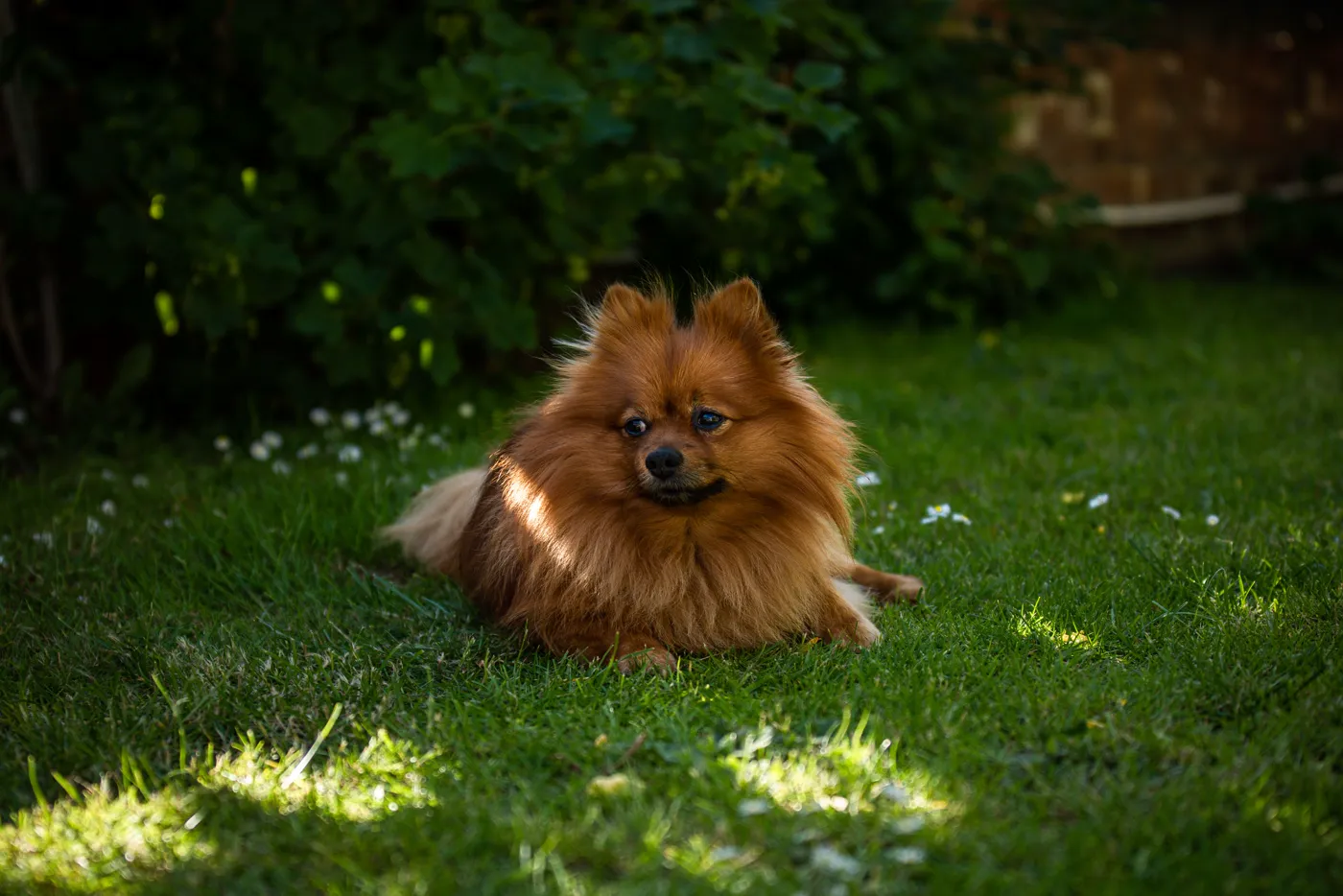
A Pomeranian does not consider itself a small dog. It is bold, curious and happy to bark at a dog three times its size — which needs supervision, because in a fight it loses by definition. At home it is a loud watchdog that reports every sound in the stairwell.
The breed is deeply attached to its owner and copes badly with being alone: a Pomeranian left for ten hours starts howling and barking. It learns easily, enjoys tricks and loves attention, so short playful training sessions work best.
Because it is fragile, the Pomeranian is not the best dog for a family with toddlers: a child can drop or squeeze it, and the dog will snap in return. For school-age children who understand the rules, the breed is an excellent fit.
Coat care
The coat is the main expense. A Pomeranian is brushed two or three times a week with a slicker and a comb, always down to the skin: matted undercoat turns into knots that then have to be cut out. Bathing every three to four weeks with conditioner.
The “teddy bear” trim is popular but risky: clipping too short can trigger alopecia X, where the coat grows back patchily or not at all. Professional groomers work with scissors and never take the undercoat down to nothing.
Teeth need separate attention: in miniature breeds tartar forms early, and milk teeth often fail to fall out on their own and must be removed by a vet. Knee joints are also monitored — patellar luxation is typical for the breed.
Living in an apartment
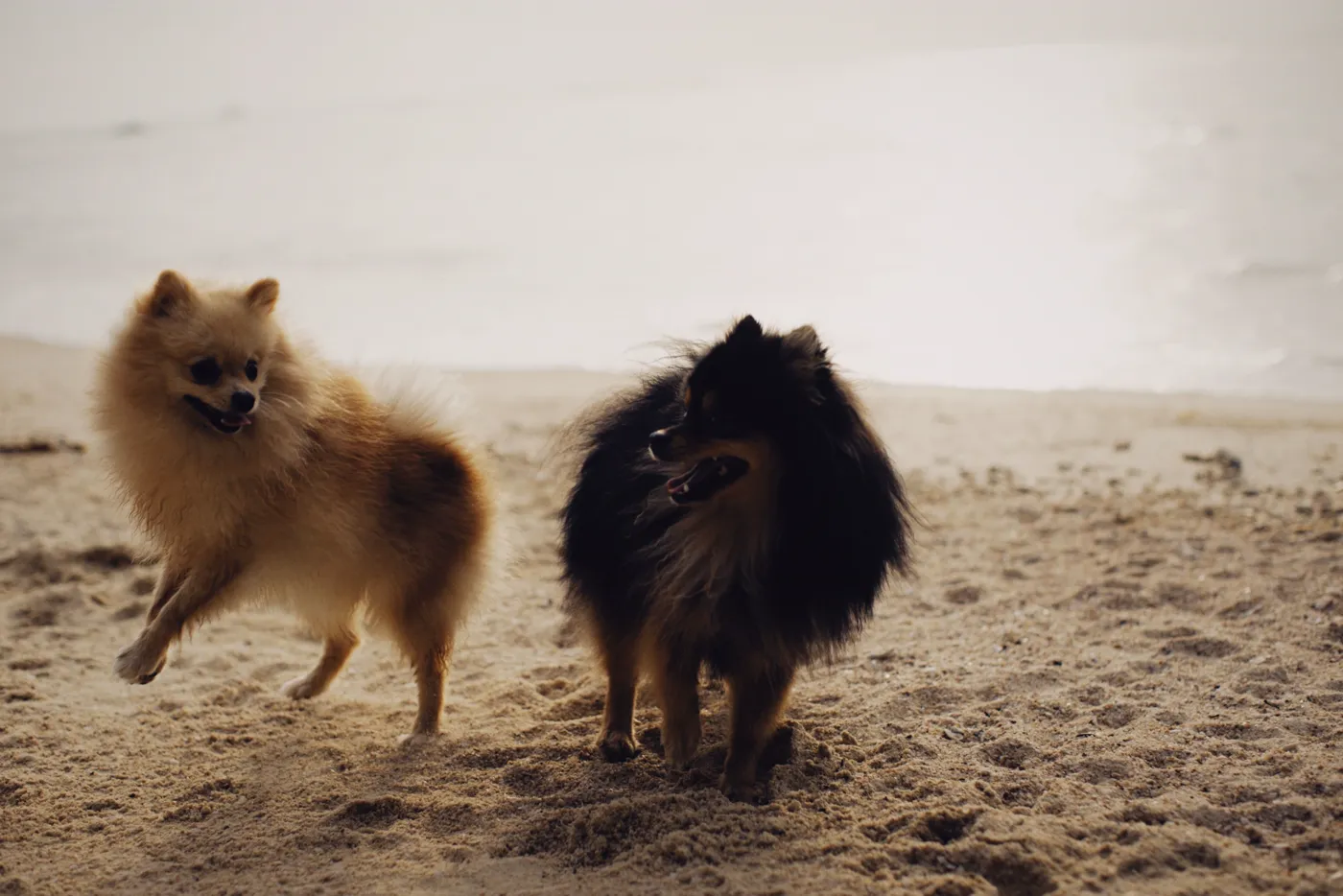
The Pomeranian is a perfect flat dog: indoor play plus two short walks of 30–40 minutes are enough. In summer heat, walk in the morning and the evening — the dense coat gives off heat poorly.
It is worth teaching the puppy from the start to accept being alone and to stay calm about noises behind the door, otherwise barking becomes a permanent soundtrack for the whole flat and the neighbours.
Price in Moldova
A Pomeranian puppy in Moldova costs 5,000–14,000 MDL. Fox type without papers starts at 5,000 MDL; bear type with an RKF registration and champion parents runs 10,000–14,000 MDL.
Budget separately for grooming: 600–1,000 MDL per visit every six to eight weeks, plus the cost of tools for brushing at home.